
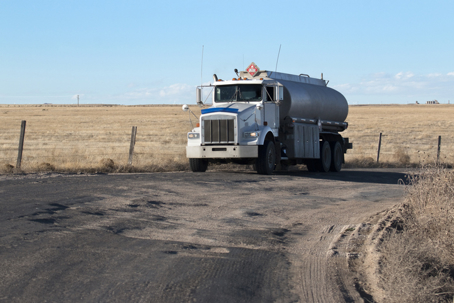
Oil field truck accidents are among the most severe and life-altering types of vehicle collisions. Unlike typical car accidents, these incidents often involve massive commercial vehicles, heavy equipment, and challenging road conditions. Understanding what makes these accidents more dangerous is essential for anyone living or working in areas with oil field activity.
Size and Weight of the Vehicles
One of the most obvious factors that increases the danger of oil field truck accidents is the size and weight of the vehicles involved. Oil field trucks often carry heavy machinery, drilling equipment, or large loads of industrial materials. In a collision, the sheer weight difference between an oil field truck and a standard passenger vehicle significantly increases the risk of catastrophic injuries. Even at moderate speeds, a collision with a heavily loaded oil field truck can cause severe trauma to passengers in smaller vehicles.
Road Conditions and Work Zones
Oil field operations often take place in remote or rural areas where roads may be less maintained or narrower than standard highways. Additionally, temporary work zones and construction areas create unique hazards. Drivers navigating these areas must contend with uneven surfaces, limited visibility, and sudden turns or inclines. Any collision in these settings is more likely to result in serious injury because of the combination of heavy vehicles and challenging road conditions.
High-Speed Industrial Traffic
Unlike typical commercial deliveries, oil field trucks frequently operate on tight schedules and may travel at higher speeds to reach remote sites. High-speed impacts naturally carry a greater risk for catastrophic injury. When accidents involve both an oil field truck and a passenger vehicle, the force of impact is often magnified, increasing the likelihood of fatalities or life-altering injuries.
Limited Maneuverability
Oil field trucks are designed to carry heavy loads safely, but they have limited maneuverability compared to standard vehicles. Large turning radii, longer stopping distances, and limited visibility make it difficult for drivers to avoid collisions quickly. In emergency situations, these limitations can mean the difference between a minor accident and a catastrophic collision.
Multiple Parties and Complex Liability
Oil field truck accidents often involve multiple parties, including the driver, the company that owns the truck, and sometimes subcontractors or equipment manufacturers. This complexity can make investigations and legal claims more challenging. Determining liability requires careful examination of driving logs, maintenance records, and safety protocols, which is why experienced legal representation is critical for victims of these accidents.
Catastrophic Injuries and Long-Term Consequences
The combination of heavy equipment, high speeds, and challenging conditions often results in catastrophic injuries. Victims may face spinal cord injuries, traumatic brain injuries, amputations, or long-term disability. These accidents not only affect the injured individual but can also have lasting impacts on families, including financial strain and emotional trauma. Understanding the severity of these incidents underscores the importance of early legal guidance.
Protecting Your Rights After an Oil Field Truck Accident
If you or a loved one has been involved in an oil field truck accident, immediate action is essential. Thorough documentation, investigation, and legal expertise can make a significant difference in the outcome of a case. At Hanna Allen, PLLC, we focus exclusively on serious and catastrophic accidents involving commercial and industrial vehicles. Our team is prepared to guide you through every step of the legal process and fight to hold negligent parties accountable.
Contact Hanna Allen, PLLC today at (432) 220-2649 to schedule a consultation and learn how we can help protect your rights after a serious oil field truck accident.