
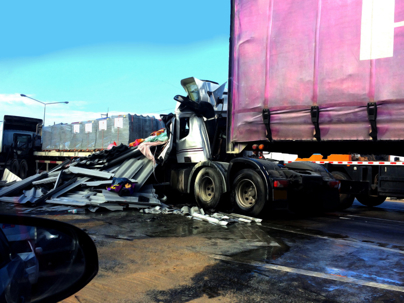
Interstate 20 is an important transportation route across West Texas. Every day, passenger vehicles share the highway with 18-wheelers, commercial trucks, oilfield vehicles, and other large vehicles traveling through the region.
When a collision involves an 18-wheeler, the consequences can be severe. The size and weight of a commercial truck can create forces that passenger vehicles are not designed to withstand. A serious crash can result in traumatic brain injuries, spinal cord injuries, paralysis, amputations, severe fractures, and other catastrophic injuries.
For someone injured in a crash on I-20, the immediate focus is understandably on medical treatment and recovery. However, serious trucking crashes can also raise complicated questions about what caused the collision, who may be responsible, and what evidence can help establish what happened.
Why 18-Wheeler Crashes Can Be So Serious
The difference between a passenger vehicle and a fully loaded commercial truck can be substantial. Large trucks can weigh tens of thousands of pounds, while passenger vehicles are considerably lighter.
That difference can make the consequences of a collision particularly serious for people in smaller vehicles. The location and type of impact can also affect the severity of the resulting injuries.
A crash involving an 18-wheeler may leave an injured person facing more than temporary medical treatment. Catastrophic injuries can require extensive rehabilitation, ongoing medical care, assistive equipment, changes to a person’s living arrangements, and long-term support.
These injuries can also affect a person’s ability to work and participate in activities they previously took for granted.
Determining What Caused the Crash Matters
The circumstances behind an 18-wheeler crash are not always obvious from what happened at the scene.
A serious collision could involve questions about driver behavior, fatigue, distraction, vehicle maintenance, road conditions, cargo, or other circumstances. In some cases, more than one factor may have contributed to the crash.
That is why a thorough investigation can be important after a catastrophic trucking collision.
Evidence may include photographs and video from the crash scene, vehicle damage, witness statements, available electronic information, driver records, maintenance documentation, and other records connected to the commercial vehicle.
The specific evidence available will depend on the circumstances of the crash. The goal is to develop a clearer picture of what happened rather than relying solely on an initial account.
Trucking Companies May Have Important Information
A commercial trucking company may have records that are relevant to a serious crash. Those records can potentially provide information about the vehicle, driver, maintenance, or other aspects of the company’s operations.
Preserving relevant evidence can therefore be important after a catastrophic crash.
An injured person and their family may not know what information exists, where it is located, or how it may relate to the collision. This is one reason serious trucking cases can require a more detailed investigation than a straightforward passenger-vehicle crash.
The Effects of a Catastrophic Injury Can Last for Years
The impact of a catastrophic 18-wheeler crash does not necessarily end when someone leaves the hospital.
A person with a serious spinal cord or brain injury may require continuing treatment and rehabilitation. Someone who suffers an amputation may need prosthetic care and changes to their home or work environment. Severe injuries can also affect a person’s ability to earn an income or care for their family.
Understanding these long-term effects is an important part of evaluating a serious injury claim.
The full consequences of a catastrophic injury may not be immediately apparent in the days following a crash. Medical treatment and professional evaluations may provide a clearer understanding of the person’s future needs over time.
What Should You Do After a Serious Truck Crash?
If you are physically able to do so after a crash, seek appropriate medical attention and follow your medical provider’s instructions.
Keep records related to your medical treatment and other expenses. Preserve photographs, documents, and other information related to the collision. If you receive communications from an insurance company, pay attention to what is being requested and avoid assuming that an early settlement offer represents the full value of a serious injury claim.
Every trucking crash is different. The appropriate steps will depend on the circumstances, the injuries involved, and the available evidence.
How Hanna Allen Can Help After a Catastrophic Trucking Crash
A catastrophic 18-wheeler crash can leave you and your family facing difficult questions about medical treatment, finances, liability, and the future.
At Hanna Allen, PLLC, we represent people throughout West Texas who have suffered serious injuries in truck and commercial vehicle crashes. Our team understands the importance of investigating a serious collision and identifying the factors that may have contributed to it.
If you or someone you love has suffered catastrophic injuries in an 18-wheeler crash, contact us at (432) 220-2649 to discuss your situation and learn more about your legal options.